HVAC Services: Your Satisfaction Is Our Main Concern
HVAC systems perform an essential role in ensuring indoor comfort. They regulate temperature and air quality, affecting overall health. However, many homeowners overlook the signs of potential issues. Understanding these signs is necessary for effective management. Routine repairs and regular maintenance can stop larger problems down the line. But how does one identify the right providers? The answers may surprise you and could revolutionize your indoor experience.
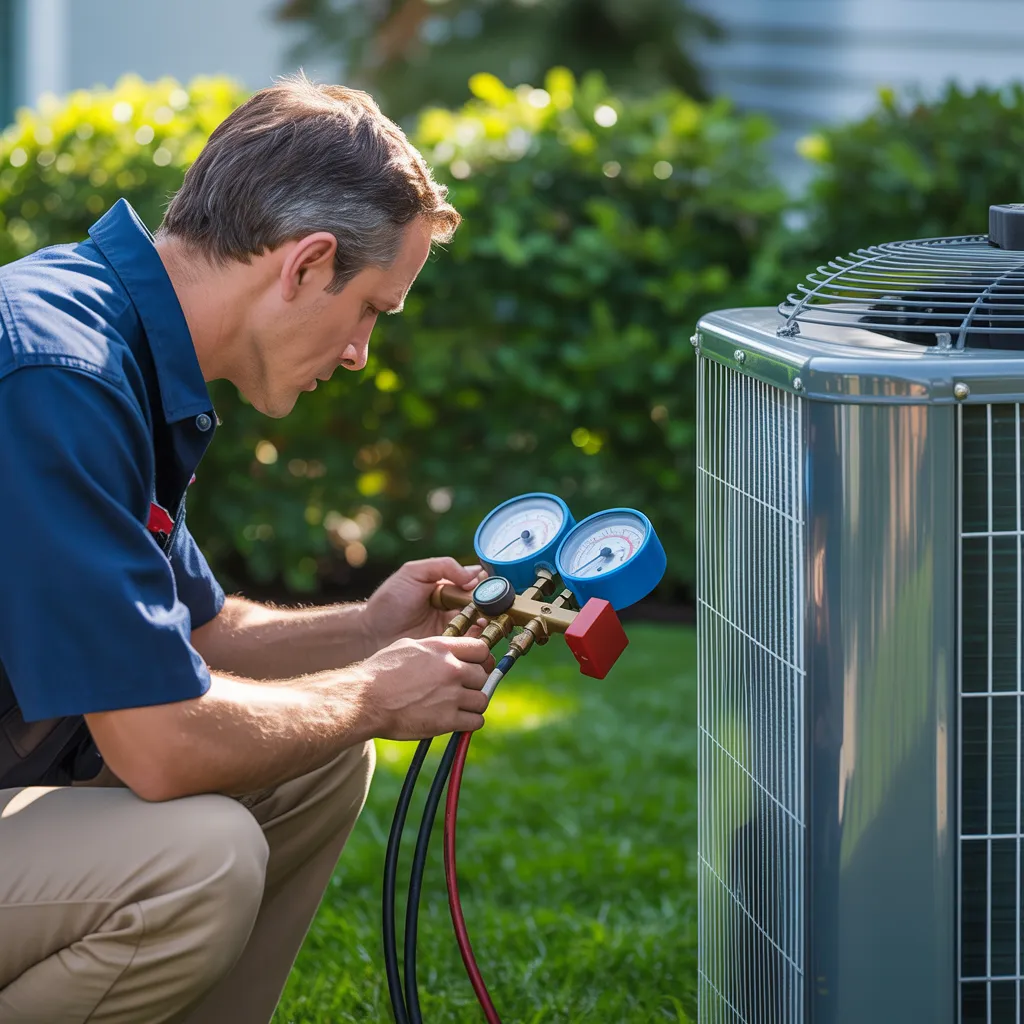
Why HVAC Systems Are Crucial to Your Overall Comfort
HVAC systems play a crucial role in preserving indoor comfort year-round. These systems control temperature, humidity, and air quality, ensuring a pleasant environment regardless of external weather conditions. In summer, air conditioning offers comfort from heat, while heating systems counteract the chill of winter. Proper ventilation is essential, as it eliminates stale air and brings in fresh air, which contributes to overall well-being.
Moreover, HVAC systems enhance fuel economy by optimizing energy use, leading to decreased utility expenses. A regularly serviced system operates quietly and effectively, reducing disruptions in daily life. The air filters also contribute importantly in upgrading interior air standards by trapping dust, allergens, and pollutants, benefiting respiratory health. Therefore, a trustworthy HVAC system is not merely a convenience; it is a critical component for promoting comfort, wellness, and energy conservation within private and commercial buildings.
Ways to Detect HVAC Problems Before They Worsen?
How can one identify HVAC problems before they get worse? Early detection is important to ensure a comfortable environment. One of the first indications of problem is odd noises, like knocking or hissing, which may signal mechanical issues. Moreover, inconsistent temperatures throughout the home can signal air duct problems or an defective thermostat. Homeowners should also be watchful for unpleasant odors, which could indicate mold growth or electrical issues in the system.
One more indicator is an increase in energy bills. If costs rise without explanation, it may stem from the HVAC system running at higher capacity than necessary. Regular filter checks is essential, as clogged filters can limit performance. Lastly, water damage or leaks surrounding the system can reveal refrigerant leaks or drainage failures. By identifying these indicators, one can address HVAC complications promptly, securing peak functionality and well-being.
Essential HVAC Services for Your Home
When evaluating important HVAC services for homes, grasping the importance of consistent care is vital. Additionally, efficiency enhancements can substantially decrease utility costs while improving comfort. Emergency repair services are also critical, ensuring that homeowners can swiftly handle unexpected issues.
Routine Maintenance Importance and Benefits
Regular maintenance is crucial for guaranteeing the longevity and effectiveness of heating, ventilation, and air conditioning systems. Without routine check-ups, small issues can escalate to costly repairs or replacements. Scheduled maintenance allows technicians to inspect and service components, guaranteeing optimal functionality. This proactive approach not only prolongs the life of the equipment but also boosts indoor air quality by eliminating dust and allergens. Additionally, regular maintenance aids in detecting potential problems before they affect system performance, providing homeowners peace of mind. Sticking to a maintenance schedule can also improve energy efficiency, resulting in lower utility bills. Ultimately, investing in routine HVAC maintenance safeguards comfort and supports a healthier living environment.
Power Conservation Improvements
Energy conservation upgrades add an important role in maximizing HVAC systems for homeowners. These enhancements not only cut energy consumption but also reduce utility bills, making them a sound investment. Common upgrades include the installation of programmable thermostats, high-efficiency filters, and advanced insulation. Homeowners may also consider replacing outdated units with Energy Star-rated equipment, which offers improved performance and reduced environmental impact. Additionally, sealing ductwork can reduce energy loss, ensuring examination that conditioned air reaches its intended spaces. By implementing these upgrades, homeowners can boost comfort levels while contributing to sustainability efforts. Ultimately, investing in energy efficiency not only benefits individual households but also promotes a healthier planet for future generations.
Emergency Repair Services
When heating and cooling equipment malfunction, prompt emergency repair services become necessary for homeowners. Such unexpected breakdowns may cause undesirable living conditions, particularly during severe weather. Certified technicians are prepared to diagnose and resolve issues promptly, bringing back comfort and safety within the home. Services generally include 24/7 availability, ensuring help is always just a call away. Typical emergencies involve malfunctioning air conditioners, heating failures, and refrigerant leaks, which, if ignored, can turn into bigger problems. Homeowners benefit from prompt response times and expert solutions, minimizing downtime and potential damage. Investing in trustworthy emergency repair services not only addresses immediate issues but also supports the longevity and efficiency of HVAC systems. Prioritizing these services guarantees peace of mind all year long.
The Advantages of Routine HVAC Maintenance
Investing in consistent HVAC maintenance improves system efficiency and extends equipment lifespan. Routine inspections and tune-ups identify potential problems before they develop into expensive repairs. During maintenance visits, technicians sanitize components, assess refrigerant levels, and guarantee that all parts are operating at peak performance, which can lead to reduced energy bills and improved indoor air quality.
Additionally, consistent maintenance can help copyright warranty coverage, as many manufacturers require proof of regular upkeep. Homeowners gain reassurance, knowing their HVAC systems are less likely to fail unexpectedly. This preventative approach not only protects comfort but also supports a healthier living environment.
In the end, the value of regular HVAC maintenance lies in its ability to minimize disruptions, enhance performance, and save money in the long term. By focusing on upkeep, people can ensure their HVAC systems function optimally for many years ahead.
Tips for Picking the Best HVAC Solutions
How can you identify the best HVAC solutions offered? First, potential clients should obtain referrals from friends, family, or online reviews to gauge satisfaction levels. A trustworthy company often displays a history of favorable reviews. Next, one must verify credentials; certified and covered technicians indicate professionalism and compliance with safety protocols. Evaluating the variety of offerings offered is essential; the best companies should cover installation, maintenance, and repairs
Additionally, procuring multiple quotations permits for assessment of pricing and services, ensuring openness. It is also wise to ask about warranties and guarantees, which reflect the company's faith in its performance. Finally, promptness to inquiries can signal a provider's dedication to customer service. By taking into account these considerations, individuals can determine an informed choice, providing ease and dependability in their HVAC system.
Improving Indoor Air Quality With HVAC Solutions
Selecting appropriate HVAC services not only enhances comfort but can also greatly affect indoor air quality. A well-maintained system ensures proper ventilation and filtration, reducing pollutants such as dust, allergens, and mold spores. HVAC professionals often suggest high-efficiency particulate air (HEPA) filters, which trap microscopic particles more effectively than standard filters.
Regular upkeep, such as cleaning ducts and identifying leaks, is essential for peak output. This preventive approach prevents the buildup of pollutants that can compromise air quality. Additionally, advanced HVAC systems like air purifiers and dehumidifiers can notably cut down on harmful particles and moisture amounts, creating a healthier indoor environment.
Regularly Asked Questions
What Defines the Expected Lifespan of an HVAC System?
The typical duration of an HVAC system typically ranges from 15 to 25 years, depending on factors such as upkeep, usage, and the system's quality. Regular maintenance can significantly extend its operational longevity.
How do I check if my system has good energy efficiency?
To ascertain if a system is energy-efficient, one should examine its SEER rating, assess energy bills over time, and consider professional evaluations. Furthermore, routine upkeep can improve efficiency and performance notably.
What Financing Plans Are Available for HVAC Services?
Many HVAC companies offer financing options, such as installment plans and credit programs. These solutions enable customers to control costs effectively, allowing it simpler to purchase necessary services while maintaining comfort and efficiency in their homes.
Should I try to install an HVAC system on my own?
You can set up an heating and air conditioning system yourself, but it is strongly discouraged. Professional installation ensures safety, regulatory compliance, and maximum efficiency. Those without experience may experience issues that might cause expensive blunders and insufficient performance.
What Are the Signals I Need a New HVAC Unit?
Signs showing the need for a new HVAC system include regular malfunctions, increasing utility costs, uneven temperature distribution, unusual noises, and age exceeding 10-15 years. These factors suggest inefficiency and potential failure, warranting replacement consideration.